
These symptoms include difficulties regulating emotions, disturbances in self-esteem, and negative self-perception. Similar to traditional PTSD, flashbacks, nightmares, and hypervigilance may occur, but individuals with Complex PTSD may also experience more severe dissociation and relationship difficulties. In sum, the contemporary approach to managing co-occurring PTSD and SUD calls for integrated, trauma-informed, and patient-centered care, applying evidence-based therapies and supporting long-term recovery through continuous monitoring and support. The Department of Veterans Affairs and Department of Defense endorse concurrent treatment strategies, advocating for a multidisciplinary approach involving mental health providers, addiction specialists, and primary care. Antidepressants like sertraline are FDA-approved for PTSD and may help reduce symptoms. Medications for addiction, including disulfiram, naltrexone, and acamprosate, are used to decrease cravings and prevent relapse, especially when combined with therapy.
While it’s essential to be supportive, it’s equally important not to enable their addictive behaviors. Setting clear boundaries can help your loved one understand that they must take responsibility for their recovery. Through gradual exposure to thoughts, memories, and situations related to past trauma, you are taught how to face these triggers head-on instead of avoiding them. This is a highly effective psychotherapeutic intervention that focuses on changing the negative thought patterns and behaviors resulting from trauma. For initial consultations, please provide your phone number and the best time to reach you.
The Evolution of Integrated Behavioral Treatments
Low social support, poverty, and exposure to high-stress environments increase vulnerability. For example, individuals in military combat zones often experience repeated traumatic exposures, elevating their risk for PTSD and subsequent substance misuse. Pre-existing mental health issues such as depression, anxiety, or prior trauma significantly elevate the risk. These conditions can impair resilience and coping, making it more likely that trauma-related symptoms develop into PTSD and that substance use becomes a preferred coping strategy. Complex PTSD and substance abuse are often characterized by the use of drugs or alcohol as a coping mechanism to deal with emotional pain, manage symptoms, or avoid traumatic memories.
Post-Traumatic Stress Disorder (PTSD) and Addiction
These include a history of childhood trauma, exposure to combat or other forms of violence, genetic predisposition to addiction, and pre-existing mental health conditions. The interplay of these factors can create a perfect storm, increasing an individual’s vulnerability to both disorders. At Purpose Healing Center, you can ptsd and alcohol abuse get quality care for both complex posttraumatic stress disorder and alcohol abuse.

Sudan Prasad Neupane
Compared to a nonrandomized community care group, both treatment interventions had improved substance use and PTSD severity outcomes at the end of treatment, and at 6 and 9 months follow-up. However, even when studies control for demographic differences, family discord, and parental pathology, the specific relationship between childhood abuse and the development of substance use disorders holds true. Childhood victimization may lead to low self-esteem and the subsequent use of alcohol to deal with negative cognitions. It also is possible that victims of childhood abuse feel that their experiences make them “different” from other children and what is alcoholism lead them to withdraw from healthier social circles toward fringe groups, where alcohol use is more accepted. In any case, given that victims of child abuse are more likely to develop alcohol use disorders as adults, early intervention, prevention, and training for parents are all important in interrupting this cycle of violence and alcohol problems. Living with post-traumatic stress disorder (PTSD) can be incredibly challenging.
- For instance, research suggests that long-term use of alcohol can increase anxiety and depression due to specific chemical changes that can make PTSD worse.
- By incorporating self-care and coping strategies into their daily lives, individuals can effectively manage their symptoms, improve their overall quality of life, and create a foundation for lasting recovery.
- Complex Post-Traumatic Stress Disorder (CPTSD) is a common mental health condition that can seriously impact your functioning and quality of life.
- It is often triggered by a traumatic event, such as experiencing or witnessing a life-threatening event, natural disaster, or military combat.
Other common symptoms include feeling very anxious, emotionally numb, easily irritated, and avoiding places, people, or situations that remind them of what happened. Post-traumatic stress disorder (PTSD) is a mental health disorder caused by witnessing or experiencing a traumatic event. Those experiencing PTSD, many of whom may be veterans or the survivors of a natural disaster or violent act, might turn to drugs or alcohol to self-medicate feelings of fear, anxiety, and stress. For those suffering from complex PTSD and alcohol abuse, integrated treatment approaches work best.
- Alcohol abuse is when someone drinks too much alcohol, leading to problems in their personal, social, or work life.
- When combined with the physical toll of PTSD, which can include chronic pain, gastrointestinal issues, and compromised immune function, the health implications can be dire.
- However, one of the greatest predictors of positive treatment outcomes is social support.
Evidence-Based Treatment for Co-occurring Complex PTSD and AUD
Women who have experienced a traumatic event are nearly three times more likely to have a drinking problem compared to women without PTSD. When asked why they drink, women with PTSD and alcohol abuse report that they drink to cope with the stress and anxiety caused by their traumatic experiences. PTSD (Post-Traumatic Stress Disorder) is a mental health condition that happens after someone goes through a traumatic event like war, assault, accident, or natural disaster. Those suffering from PTSD can relive their traumatic experiences via flashbacks, nightmares, or distressing memories.
Fibromyalgia and Trauma: The Intricate Connection and PTSD’s Role in…
As discussed in the papers presented in this virtual issue, this includes members of racial and ethnic communities as well as military service members and veterans. Data from the Werner et al., (2017) paper suggest that the existing etiological models of AUD development, as well as risk and protective factors, may be different based on racial/ethnic background. A better understanding of AUD etiology among racial/ethnic minority individuals is an important and necessary next step in the development of effective interventions. Epidemiologic studies as well as studies in treatment-seeking populations converge to support the finding that early-life trauma is common in people with alcohol dependence.
They can answer your rehab-related questions and discuss your available addiction treatment options. Nearly three-quarters of those surviving violent or abusive trauma report alcohol use disorders. It often entails what are thought of as common PTSD and PTSS symptoms, but with trauma https://urdu.motherland.com.pk/2022/06/02/alcoholic-musicians-list-of-musicians-who-died-3/ recovery is more challenging due to more severe symptoms that have become entrenched over time. In Behavioral Treatments for Alcohol Use Disorder and Post-Traumatic Stress Disorder, Flanagan and colleagues describe evidence-supported behavioral interventions for treating AUD, PTSD, and co-occurring AUD and PTSD.
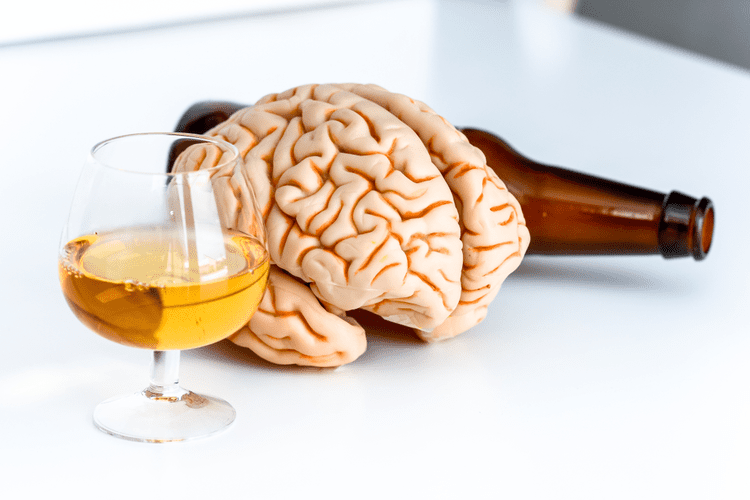
Additionally, alcohol can impair judgment, increase aggression, and negatively impact relationships, further complicating the individual’s overall well-being. Reach out to us to learn how you or your loved ones can start healing and take back control of your life. For people with PTSD, alcohol can quickly dull intense feelings, making it easier to avoid painful memories, flashbacks, or nightmares. However, using alcohol to cope only delays facing the trauma and often makes the symptoms worse over time. If you or a loved one is experiencing PTSD and co-occurring addiction, it’s time to consider treatment.
- Learn about how ADHD and addiction, or substance use disorders, are related and how to get treatment for co-occurring disorders.
- Get in touch with a member of our team today to learn how we can support you in your recovery, or learn more about our program.
- Conversely, substance misuse can increase risk for trauma exposure, creating a cycle of worsening symptoms and heightened vulnerability.
- In turn, you might drink to avoid feelings of anxiety, socialize more easily, or feel less overly-alert.
Integrated PTSD and SUD treatment
PTSD and alcohol dependence can quickly become intertwined, forming a vicious cycle that is difficult to break. The individual may rely on alcohol to alleviate their PTSD symptoms, but this dependence can lead to increased distress and exacerbation of both conditions. Breaking this cycle requires a comprehensive treatment approach that addresses the underlying issues and provides effective coping strategies. PTSD, or Post-Traumatic Stress Disorder, is a mental health condition that can develop after experiencing or witnessing a traumatic event. It is characterized by symptoms such as intrusive thoughts or memories, hyperarousal, and avoidance of triggers. These symptoms can persist for months or even years after the traumatic event, significantly impacting a person’s daily life.
